Is Walking After Dinner Actually Good for You?
A short walk after dinner may be one of the simplest habits you can add to your daily routine. Here is what it can do for blood sugar, digestion, sleep, fitness, and overall health.
1. Walking After Dinner May Help With Blood Sugar
One of the most interesting reasons to walk after eating is its potential effect on blood sugar. When you eat a meal, especially one containing carbohydrates, blood glucose normally rises. Physical activity gives your muscles an opportunity to use glucose for energy.
Even a relatively short period of light activity after a meal can be useful. This is one reason walking can be particularly practical after dinner: it is simple, accessible, and usually does not require special equipment.
2. Can Walking Help Digestion?
A gentle walk after a meal may also support comfortable digestion. Light movement can encourage normal gastrointestinal activity and may be more comfortable than remaining completely inactive after eating.
However, walking is not a treatment for digestive disorders. If you regularly experience severe abdominal pain, persistent heartburn, vomiting, difficulty swallowing, or other significant digestive symptoms, you should speak with a healthcare professional.
3. Can an Evening Walk Improve Sleep?
Regular physical activity is associated with better sleep for many people. An easy evening walk can also become part of a relaxing bedtime routine, particularly when it replaces prolonged screen time or sitting.
The intensity matters. A comfortable walk is less likely to feel stimulating than a very intense workout immediately before bed. People respond differently, so pay attention to how evening exercise affects your own sleep.
4. Does Walking After Dinner Help With Weight Management?
Walking uses energy and contributes to your total daily physical activity. Over time, regular walking can support weight management when combined with an appropriate diet and overall healthy lifestyle.
However, a short post-dinner walk should not be viewed as a way to cancel out a large or unhealthy meal. Weight management depends on overall eating patterns, physical activity, sleep, and other lifestyle factors.
5. Benefits for Heart and General Health
Walking is a form of aerobic physical activity. Regular physical activity can support cardiovascular health, physical fitness, mood, and overall well-being.
A short walk after dinner may also help you accumulate more movement throughout the day. For someone who spends many hours sitting, adding a daily walk can be a simple way to become more active.
- Supports regular physical activity.
- Can contribute to cardiovascular fitness.
- May support healthy weight management.
- Can help reduce long periods of sitting.
- May support mood and mental well-being.
- Can become an easy daily routine.
6. How Long Should You Walk After Dinner?
There is no single perfect duration for everyone. If you are new to walking, starting with around 10 minutes can be a practical goal. You can gradually increase the duration as your fitness and schedule allow.
| Walking time | A practical approach |
|---|---|
| 5 to 10 minutes | A good starting point for beginners or busy days. |
| 10 to 20 minutes | A practical daily post-meal routine. |
| 20 to 30 minutes | Useful when you have more time and want additional activity. |
| 30 minutes or more | Can contribute substantially to your daily physical activity. |
Remember that the total amount of physical activity you get throughout the week is more important than achieving one specific post-dinner walking duration.
7. How Fast Should You Walk?
For a post-dinner walk, a comfortable pace is usually a sensible choice. You should be able to walk without feeling severely out of breath.
If your goal is general health and you already have some fitness, you can gradually increase your pace. A brisk walking pace can provide a stronger cardiovascular workout than a very slow stroll.
8. Common Mistakes to Avoid
Walking too intensely immediately after a large meal
A very hard workout immediately after eating may cause discomfort for some people. A gentle or moderate walk is usually easier to tolerate.
Thinking walking cancels out unhealthy eating
Walking is beneficial, but it does not erase the effects of consistently eating excessive calories or highly processed foods. Look at your overall lifestyle rather than one meal.
Giving up because you cannot walk for a long time
Short walks still add movement. Starting with a few minutes and building gradually is often more realistic than setting an unrealistic target.
Ignoring your body
If walking causes chest pain, severe shortness of breath, fainting, or unusual symptoms, stop and seek appropriate medical attention.
9. When Should You Be Careful?
Walking is generally a low-risk form of physical activity for most people. However, people with certain medical conditions or significant exercise limitations may need personalized advice.
If you have a known heart condition, serious mobility problems, uncontrolled symptoms, or you have been advised by a healthcare professional to limit exercise, ask your healthcare professional what level of activity is appropriate for you.
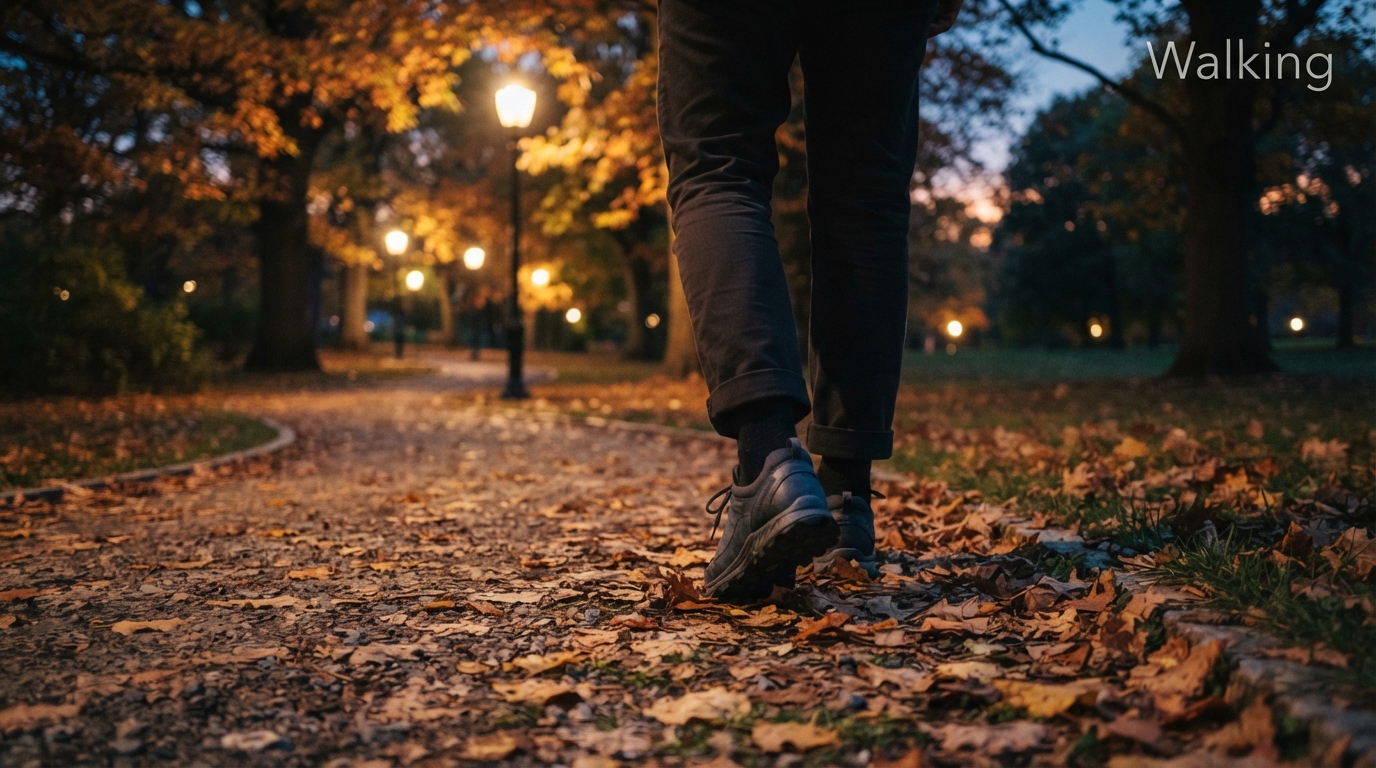
10. How to Make an After-Dinner Walk a Daily Habit
The easiest way to maintain the habit is to connect the walk with something you already do every evening.
- Finish dinner and give yourself a short moment to get ready.
- Put on comfortable shoes.
- Start with a 10-minute walk.
- Choose a safe and familiar route.
- Increase the duration gradually if you enjoy it.
- Walk with a family member or friend if that motivates you.
- Track your walking days rather than focusing only on distance.
The simplest routine
Dinner → wait briefly if needed → comfortable shoes → 10 to 20 minute walk → return home → relax.
Walking After Dinner vs. Sitting After Dinner
| After dinner | Potential advantage |
|---|---|
| Short walk | Adds physical activity and may help with post-meal glucose management. |
| Longer walk | Adds more movement and contributes to daily activity. |
| Sitting immediately for a long period | Provides rest but adds little physical activity. |
Frequently Asked Questions
Is walking after dinner good for blood sugar?
Light activity after a meal can help muscles use glucose and may reduce the rise in blood sugar that occurs after eating. The effect varies between individuals and meals.
How soon after dinner should I walk?
A gentle walk can often be incorporated relatively soon after eating if you feel comfortable. If a meal was very large or you experience discomfort, waiting a little longer may be more comfortable.
Is 10 minutes of walking after dinner enough?
Ten minutes is a useful starting point and adds movement to your day. You can gradually walk for longer as your schedule and fitness allow.
Can walking after dinner help with weight loss?
Walking contributes to energy expenditure and regular physical activity, which can support weight management. However, weight change depends on your overall diet, activity level, sleep, and other factors.
Is it better to walk after dinner or in the morning?
The best time is often the time you can maintain consistently. If walking after dinner fits naturally into your schedule, it can be an excellent daily habit.
Conclusion
Walking after dinner is a simple habit with several potential benefits. It adds movement to your day, may help your body manage the rise in blood sugar after a meal, and can support general fitness and healthy lifestyle habits.
You do not need an intense workout. A comfortable 10 to 20 minute walk can be an easy place to start, and you can gradually increase your walking time as it becomes part of your routine.
The most important factor is consistency. A short walk that you enjoy and repeat regularly is likely to be more useful than an ambitious routine that you quickly abandon.